

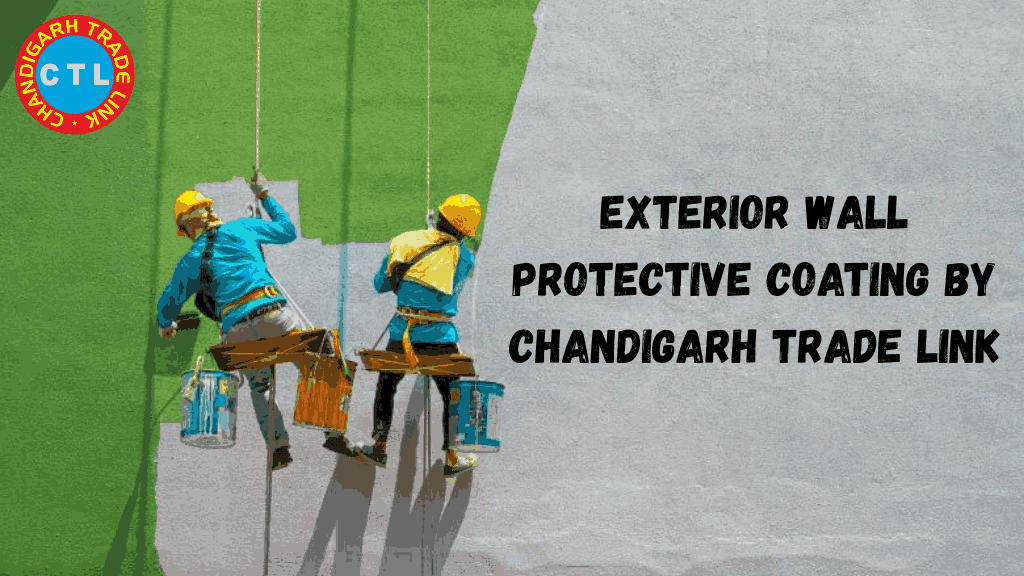
18 Aug Close-up of a freshly coated exterior wall showing smooth, weather-resistant protective coating
Protective Coatings for Exterior Walls by Chandigarh Trade Link
Introduction
Exterior walls are a building’s first defence against weather, pollution, UV radiation and temperature extremes. Over time, unprotected façades deteriorate — paint peels, moisture infiltrates, and structural surfaces weaken. Choosing the right protective coatings for exterior walls can dramatically extend lifespan, lower maintenance costs and preserve the aesthetic and structural integrity of any property. Chandigarh Trade Link specialises in high-performance protective coatings for Exterior Walls, that are engineered to enhance durability and longevity for residential, commercial and industrial façades.
Why protective coatings matter
Protective coatings are not merely decorative finishes; they are performance systems that shield substrates from environmental stressors. A proper coating:
- Prevents water ingress and reduces damp-related damage.
- Reflects UV radiation and lowers thermal stress.
- Resists dirt, biological growth (algae, mould), and chemical pollutants.
- Minimises thermal cycling and micro-cracking.
- Extends the service life of the substrate and reduces long-term costs.
For property managers and building owners, the upfront investment in superior coatings pays back through fewer repairs, improved appearance and potential energy savings.
Types of protective coatings for exterior walls
Different projects require different chemistries and properties. Common classes of coatings include:
1. Acrylic Emulsion Coatings
Versatile and cost-effective, acrylics offer good weather resistance and colour retention. They are breathable and suitable for many masonry surfaces.
2. Siloxane and Silicone-Based Coatings
These are water-repellent and highly durable, offering excellent protection against moisture while retaining vapour permeability — ideal for brickwork and concrete.
3. Elastomeric Coatings
Elastomeric membranes form a flexible film that bridges minor cracks and accommodates movement, making them excellent for older or thermally active façades.
4. Polyurethane Coatings
Polyurethane systems provide excellent abrasion and chemical resistance and are commonly used where enhanced durability and gloss retention are required.
5. Mineral Silicate Coatings
These chemically bond with mineral substrates to create long-lasting, vapour-permeable protection with high durability and a natural finish.
6. Anti-graffiti & Self-cleaning Coatings
Speciality coatings that make removal of pollutants and graffiti easier, or that incorporate photocatalytic properties to break down organic grime.
How Chandigarh Trade Link selects the right coating
Selecting the correct coating involves evaluating:
- Substrate type (concrete, brick, rendered surfaces, blockwork).
- Climate exposure (heavy rain, intense sunlight, coastal salinity).
- Expected movement or cracking of substrate.
- Aesthetic requirements (matte vs. gloss, colourfastness).
- Service life and maintenance cycle targets.
- Environmental and regulatory considerations.
Chandigarh Trade Link conducts a thorough site assessment, including moisture mapping and substrate testing, then recommends a coating system tailored to both performance needs and budget constraints.
- Surface preparation — the unsung hero
- The best coating can fail if preparation is inadequate. Key steps include:
- Cleaning (pressure washing, chemical cleaning where necessary).
- Removal of loose paint, efflorescence and biological growth.
- Repairing cracks, spalled concrete and damaged render.
- Priming to promote adhesion and seal porous substrates.
Chandigarh Trade Link emphasises meticulous preparation to ensure coatings bond correctly and perform for their expected service life.
Application methods and quality control
Application techniques influence performance:
- Airless spray for even, efficient coverage on large façades.
- Roller and brush for detail work and smaller areas.
- Plural-component spray for some polyurethanes and high-build systems.
- Quality control measures include wet-film thickness checks, adhesion tests and curing-time verification. Regular inspection at each stage prevents common defects like pinholing, blistering or premature chalking.
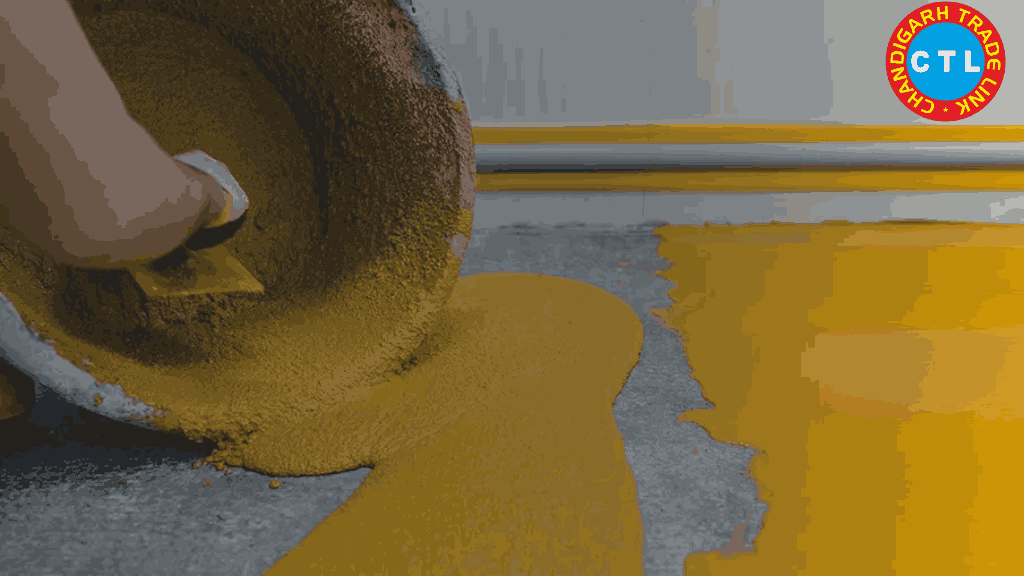
Benefits over time: durability, energy and lifecycle savings
A correctly specified protective coating reduces lifecycle costs by:
- Lowering frequency of repainting and remedial repairs.
- Reducing moisture-related structural repairs.
- Improving thermal management (reflective coatings can cut cooling loads).
- Preserving asset value and curb appeal.
- For commercial properties, these advantages can translate into real financial savings and reduced operational disruption.
Sustainability and compliance
Modern protective coatings are increasingly formulated to meet environmental standards: low-VOC options, water-based chemistries and recyclable packaging. Chandigarh Trade Link stays abreast of regulations and offers sustainable product lines that meet regional and international standards while delivering performance.
Maintenance and inspection recommendations
Even the best coating system benefits from periodic inspection:
- Annual visual checks for cracks, peeling or staining.
- Clean façades every 1–3 years depending on pollution exposure.
- Prompt minor repairs to prevent water ingress.
Chandigarh Trade Link offers scheduled maintenance plans to keep façades performing at peak levels.
Conclusion
Investing in protective coatings for exterior walls is a pragmatic, long-term strategy to enhance durability, reduce maintenance costs and maintain the visual dignity of any property. Whether you manage residential blocks, commercial buildings or industrial facilities, the right system — correctly specified and expertly applied — will protect your asset and deliver measurable savings. Chandigarh Trade Link combines technical expertise, high-quality products and dependable service to provide protective coating solutions tailored for every façade and environment. Contact Chandigarh Trade Link for a site assessment and discover which coating system will give your building the protection it deserves.


No Comments