 Skip to main content

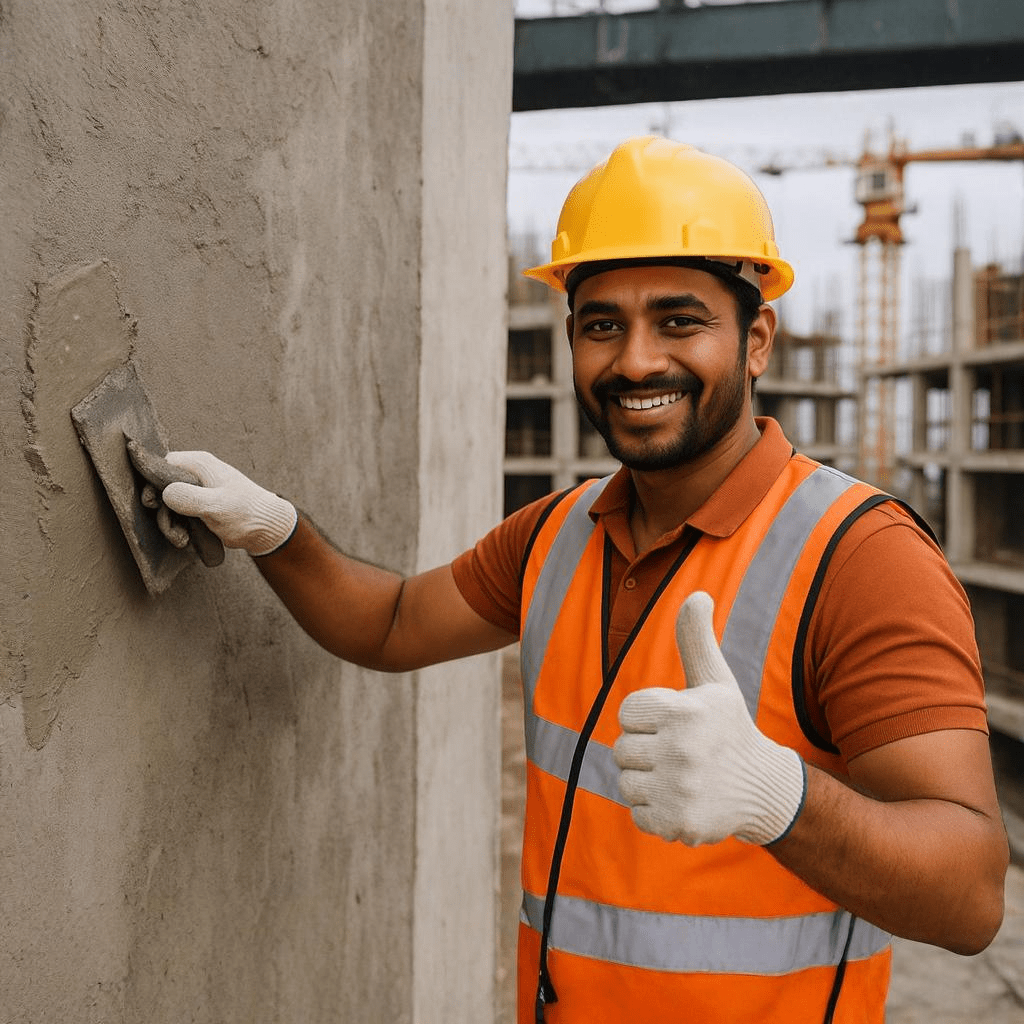
01 Jul Professional waterproofing application on a commercial building by Chandigarh Trade Link.
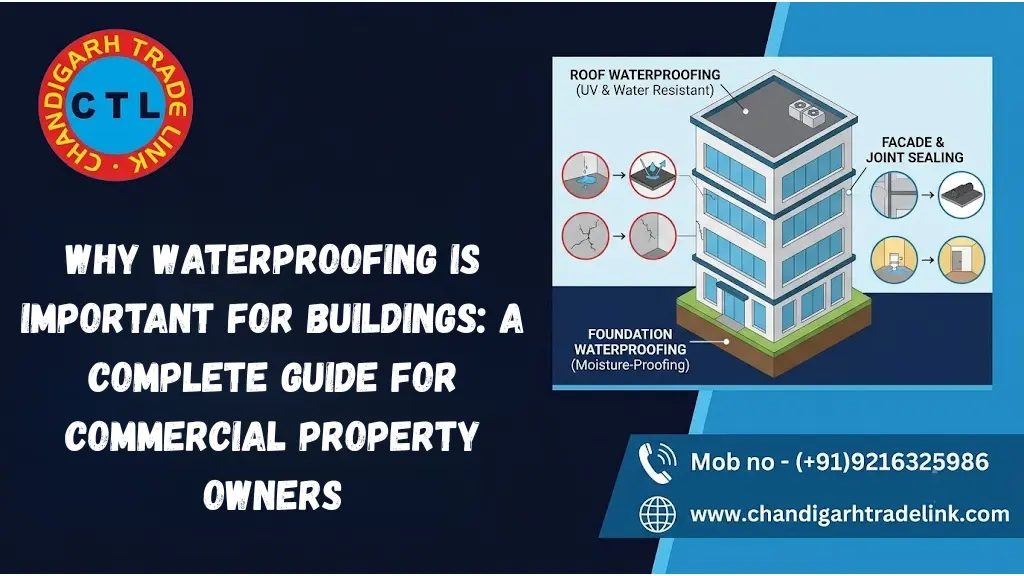
Why Waterproofing is Important for Buildings: A Complete Guide for Commercial Property Owners
Why Waterproofing is Important for Buildings
Waterproofing is one of the most essential aspects of building construction and maintenance. Whether it’s a residential home, commercial complex, industrial facility, or office building, protecting the structure from water damage is crucial for ensuring its longevity and safety. Unfortunately, many property owners overlook waterproofing until visible signs of damage begin to appear. By then, repairs can become expensive and time-consuming.
At Chandigarh Trade Link, we understand the importance of high-quality waterproofing solutions that protect buildings from moisture, leaks, dampness, and structural deterioration. Investing in professional waterproofing not only safeguards your property but also reduces maintenance costs and enhances the overall value of your building.
In this comprehensive guide, we will explain Why Waterproofing is Important for Buildings, discuss How to Waterproof a Commercial Building, and highlight the Signs Your Building Needs Waterproofing.
What is Waterproofing?
Waterproofing is the process of applying specialized materials and protective systems to prevent water from penetrating a building’s structure. These materials create a protective barrier that keeps moisture away from walls, roofs, foundations, terraces, basements, bathrooms, and other vulnerable areas.
Modern waterproofing solutions include liquid membranes, cementitious coatings, polyurethane coatings, acrylic waterproofing systems, bituminous membranes, and other advanced technologies designed to withstand harsh weather conditions.
Proper waterproofing helps maintain the strength, appearance, and functionality of buildings for many years.
Why Waterproofing is Important for Buildings
Understanding Why Waterproofing is Important for Buildings helps property owners make informed decisions about maintenance and long-term investments.
1. Prevents Water Damage
Water is one of the biggest threats to any building. Continuous exposure to rain, humidity, and moisture can weaken structural components, causing expensive damage over time. Waterproofing creates a protective layer that prevents water from entering the building.
2. Protects Structural Integrity
When water seeps into concrete, bricks, or steel reinforcement, it can cause corrosion, cracks, and weakening of the structure. Waterproofing prevents these issues and helps maintain the strength of the building.
3. Reduces Maintenance Costs
Repairing damaged walls, ceilings, roofs, and foundations can be costly. Waterproofing acts as preventive maintenance, reducing the need for frequent repairs and extending the lifespan of construction materials.
4. Prevents Dampness and Mold
Moisture creates the perfect environment for mold, mildew, and fungus. These problems not only damage walls but also affect indoor air quality and can lead to health issues. Waterproofing keeps interiors dry and healthy.
5. Improves Energy Efficiency
Waterproof coatings often provide additional insulation, helping maintain stable indoor temperatures. This reduces the load on heating and cooling systems, resulting in lower energy bills.
6. Increases Property Value
A well-maintained, waterproof building is more attractive to buyers, tenants, and investors. Waterproofing demonstrates proper building care and enhances long-term property value.
7. Extends Building Lifespan
Protecting the structure from water damage ensures the building remains durable and functional for decades, reducing the likelihood of major structural repairs.

Common Areas That Require Waterproofing
Several parts of a building are particularly vulnerable to water penetration. These include:
- Roofs
- Terraces
- Basements
- Foundations
- Bathrooms
- Kitchens
- External walls
- Water tanks
- Balconies
- Parking decks
Proper waterproofing of these areas significantly reduces the risk of leaks and moisture-related problems.
Signs Your Building Needs Waterproofing
Many building owners ignore early warning signs until the damage becomes severe. Knowing the Signs Your Building Needs Waterproofing can help you take action before costly repairs become necessary.
- Water Leaks
Water dripping from ceilings, walls, or roofs is one of the clearest indications that waterproofing has failed or was never installed properly.
- Damp Walls
Walls that remain damp for extended periods indicate moisture infiltration and require immediate attention.
- Peeling Paint
Paint that bubbles, peels, or flakes often signals water seepage behind the wall surface.
- Mold and Mildew Growth
Black spots, fungal growth, or unpleasant odors usually indicate excessive moisture inside the building.
- Wall Cracks
Small cracks can allow rainwater to enter the structure, eventually leading to significant structural damage.
- Ceiling Stains
Yellow or brown stains on ceilings often indicate roof leaks or plumbing issues that require waterproofing.
- Efflorescence
White powdery deposits on brick or concrete surfaces are caused by water carrying salts to the surface. This is a common sign of moisture penetration.
- High Indoor Humidity
If rooms consistently feel humid despite proper ventilation, hidden water infiltration may be the cause.
Why Choose Chandigarh Trade Link?
At Chandigarh Trade Link, we provide reliable waterproofing solutions designed to protect commercial, industrial, and residential buildings from water damage.
Our advantages include:
- High-quality waterproofing products
- Expert technical guidance
- Durable and long-lasting solutions
- Cost-effective waterproofing systems
- Solutions for roofs, basements, terraces, and walls
- Professional customer support
- Products suitable for
- Indian climate conditions
Our commitment to quality ensures that every project receives the protection it deserves.
Benefits of Professional Waterproofing
Choosing professional waterproofing services offers several advantages:
- Longer building lifespan
- Lower maintenance expenses
- Better indoor comfort
- Improved structural safety
- Enhanced property value
- Protection against weather damage
- Reduced risk of mold and dampness
- Increased energy efficiency
Professional waterproofing is a smart investment that delivers long-term savings.
Tips for Maintaining Waterproofed Buildings
To maximize the effectiveness of your waterproofing system:
- Inspect roofs before and after the monsoon season.
- Keep drainage systems clean and free from debris.
- Repair cracks immediately.
- Check sealants around windows and doors regularly.
- Schedule professional inspections every few years.
- Address plumbing leaks promptly.
- Maintain roof slopes for proper water drainage.
Routine maintenance helps preserve the integrity of waterproofing systems.
Conclusion
Understanding Why Waterproofing is Important for Buildings is essential for protecting your investment and ensuring long-term structural performance. Water damage can lead to costly repairs, weakened foundations, mold growth, and reduced property value if left untreated. By recognizing the Signs Your Building Needs Waterproofing and learning How to Waterproof a Commercial Building, property owners can take proactive steps to prevent serious damage before it occurs.
At Chandigarh Trade Link, we are dedicated to providing high-quality waterproofing solutions that deliver reliable protection for commercial, industrial, and residential properties. Our expertise, durable products, and commitment to customer satisfaction help clients safeguard their buildings against moisture and weather-related challenges. Investing in professional waterproofing today ensures a stronger, safer, and more energy-efficient building for years to come.

No Comments